
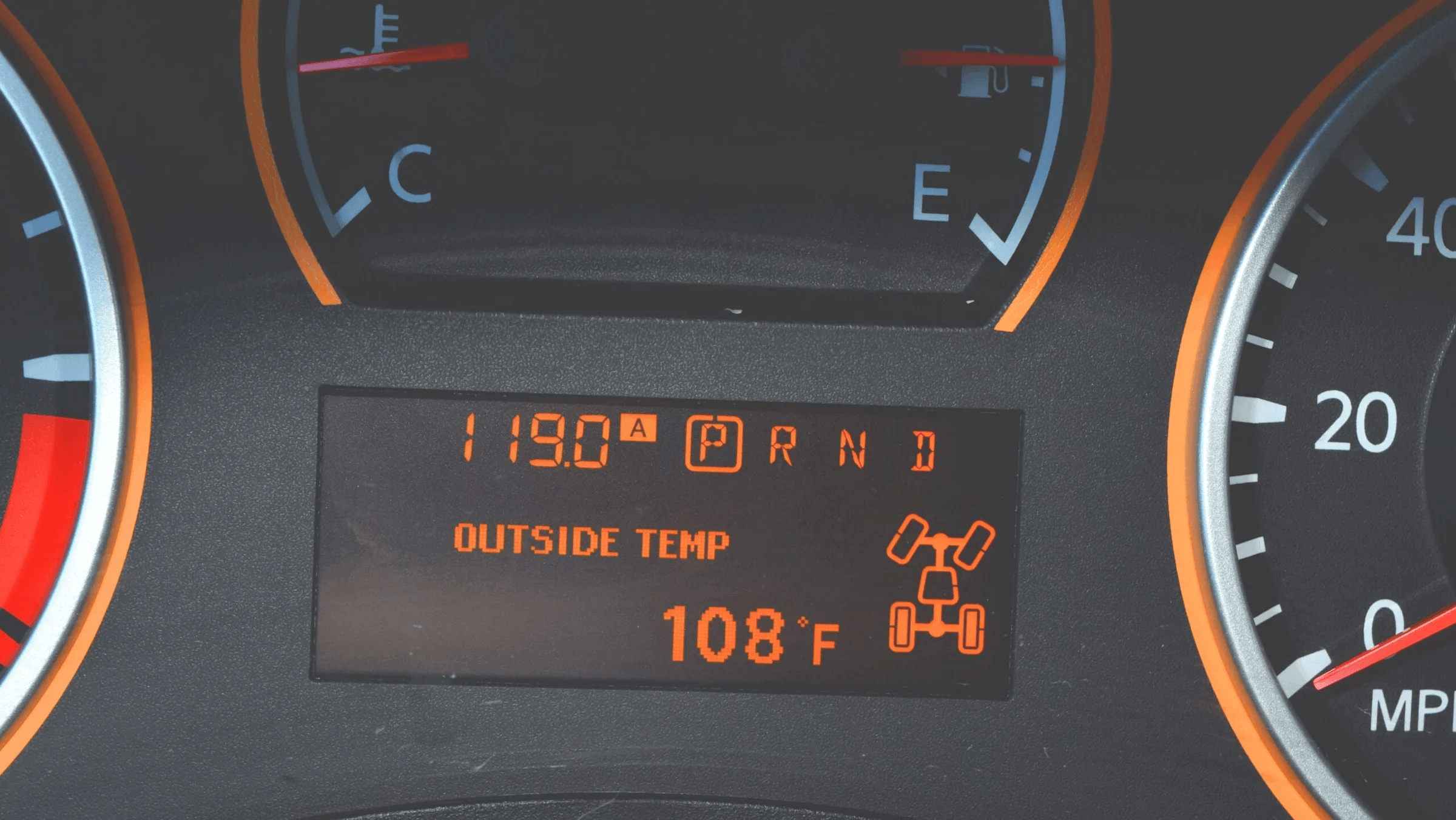
A rare March heat wave is pushing temperatures across parts of the Western United States into territory that usually does not see such temperatures until early summer, and in some places, records are already falling. That kind of early-season heat comes with a risk people still underestimate every year.
Every year, the same stories come back around, and they never get easier to read. Children and pets are harmed or killed in hot vehicles. Situations that take just minutes yet leave permanent damage. One is too many. It always has been.
We cannot prevent everything, but this is one of the rare cases where we can actually make a difference if we act as a community rather than as individuals just passing through our day. There is no safe amount of time to leave a child or a pet unattended in a vehicle. Not for a quick stop. Not while you can see the car. Not while you are running in to pay for gas.
If that means waking up a sleeping baby, that is what you do. If it means changing your plans, driving a little farther, or taking more time than you wanted, then you do that. And it does not stop with your own car. If you see something, say something. If a parent or caregiver is overwhelmed, help them out. If a kid or a dog is sitting alone in a car, do not assume it is fine.
We need to normalize looking out for each other again. Not judging, not shaming, but stepping up when it matters. Because this is preventable. Completely.
Why This Matters More Than People Think
Early-season heat waves like this can be more dangerous than peak summer heat because people are not ready for them. Cars heat up just as fast in March as they do in July, but habits have not caught up yet.
That is where things get serious.
According to the National Highway Traffic Safety Administration, the temperature inside a vehicle can rise by about 20 degrees in just 10 minutes. On a mild day, that is enough to turn a car into a deadly environment far faster than most people expect.
It also does not need to be “hot” outside. Children have died in hot cars when outside temperatures were as low as 60 degrees. On a 70-degree day, the interior of a vehicle can climb past 110 degrees within an hour, with most of that increase happening in the first 10 to 30 minutes, according to the National Safety Council.
Cracking the windows does not meaningfully slow the process. Parking in the shade helps less than people think.
There Is No Safe Window
This is the part that people still get wrong.
There is no amount of time that is safe to leave a child unattended in a vehicle. Not five minutes. Not “just running inside.” Not with the car running. Heatstroke can begin quickly, and children’s bodies heat up three to five times faster than adults, according to the American Academy of Pediatrics.
Once core body temperature reaches around 104 degrees, the situation becomes life-threatening. At 107 degrees, it can be fatal. On average, nearly 40 children die every year in the United States from heatstroke in vehicles. Since the late 1990s, more than 1,000 children have lost their lives this way, according to the Kids and Car Safety organization.
In many cases, children are not intentionally left behind. They are forgotten during a break in routine, a missed drop-off, or a moment of distraction.
This Applies to Pets Too
Dogs and cats are just as vulnerable, and in some cases even more so. They cannot regulate their body temperature the same way humans can, and a parked car can become lethal for them within minutes.
If you would not sit in a parked car under those conditions, neither should they.
Why “Just Leaving the Car Running” Is Not a Safety Plan
A lot of people think they have found a workaround. Leave the car running. Turn on the AC. Use a feature like Tesla’s Dog Mode. Run inside quickly and come right back.
The problem is that all of those rely on something going right every single time. Modern vehicles will often shut themselves off after a period of idling, whether for fuel-saving, safety, or anti-theft reasons.
Even systems designed specifically for pets have limits. Tesla’s Dog Mode is designed to maintain cabin temperature, but it will automatically shut off when the battery drops to around 20 percent, according to Tesla’s own support documentation.
That can happen faster than people expect, especially in extreme heat, where the system is working harder to keep the cabin cool. All it takes is a delay, a distraction, or a system that doesn't behave exactly the way you thought it would.
That is not a margin for error anyone should be comfortable with.
Plan Ahead Instead of Taking the Risk
We all love traveling with our four-legged companions, but if your plans involve leaving them in the car, even for a few minutes, it is worth rethinking.
If you can, leave them at home where they are safe and comfortable. If not, plan ahead and choose pet-friendly stops where they can come with you.
It’s Time To Normalize Not Leaving Anyone Behind
There is still a mindset out there that this is not a big deal. People will say they grew up this way and turned out fine, but that does not change what we know now.
This is one of those habits that needs to go away completely.
If you see a child or a pet left alone in a vehicle, do not assume everything is fine. Say something. Call 911 if needed. It is always better to be wrong than to stay silent.
An Early Warning for a Long Summer
This March heat wave is unusual, but it is also a preview.
Warmer temperatures are arriving earlier, lasting longer, and catching people off guard. That combination is exactly what makes situations like hot car deaths more likely.
There is no safe amount of time to leave a child, a dog, or anyone else in a parked car.
Not now. Not in the summer. Not ever.
Original Article LINK
